
What Time of Year Should I Pave My Driveway?
Homeowners planning for asphalt driveway paving often ask when the work should happen. Temperature, moisture, and general weather patterns all affect how well asphalt sets. While you can schedule at different points in the year, our Carol Stream, IL, residential asphalt paving company recommends April through November if you want consistent results. Warm weather helps the asphalt stay workable, stick properly, and cure into a smooth, even surface that lasts.
Here’s what you need to know before getting your driveway in our queue.
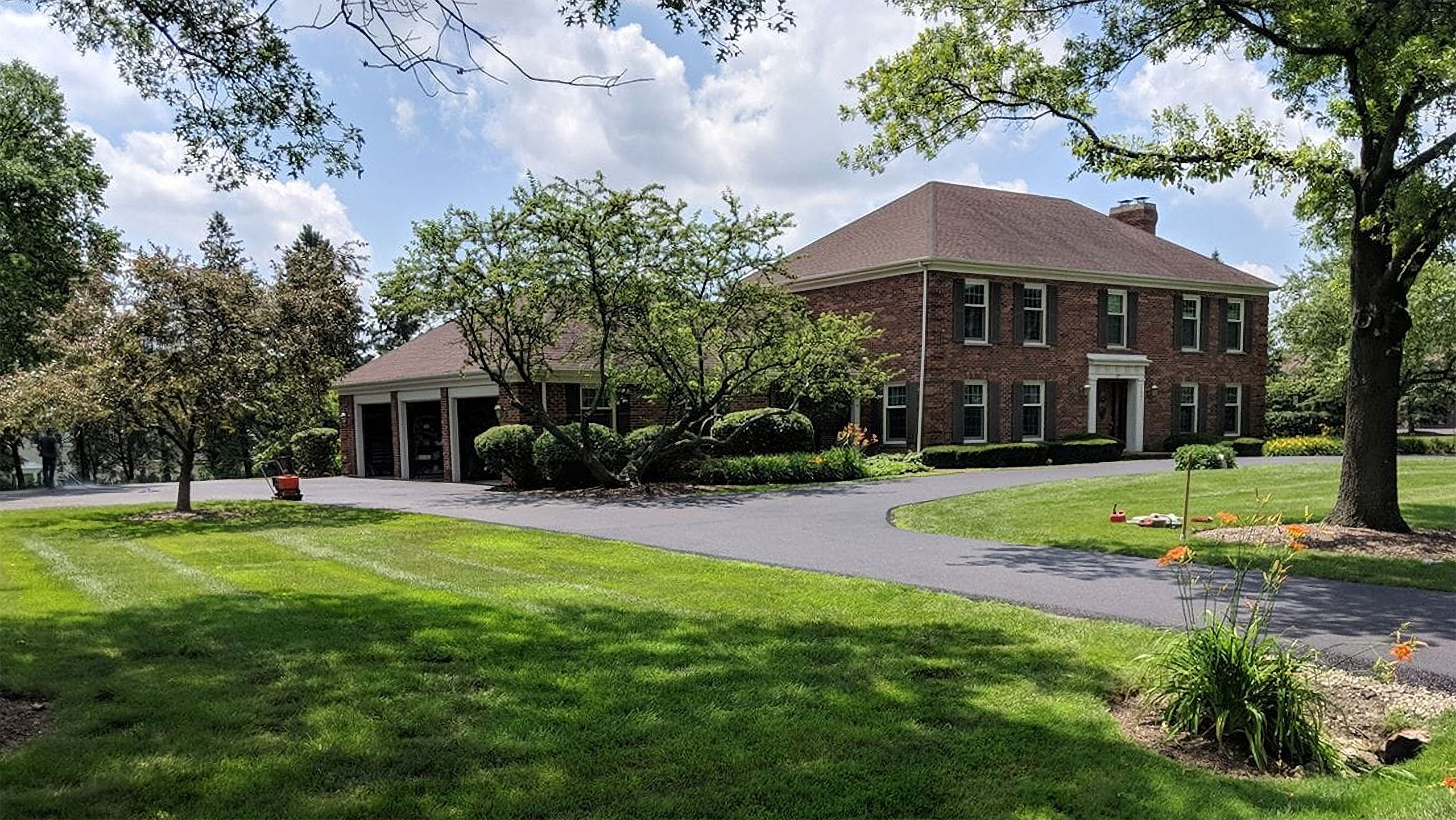
What Temperature Is Best for Asphalt Paving?
The ideal range for residential asphalt paving is from April to November, where steady temperatures of 40 degrees Fahrenheit and rising exist. Asphalt cools quickly once it’s poured. If the air or ground is too cold, the material stiffens before our local asphalt paving company can shape and compact it. Homeowners planning on when the weather is stable will see stronger, longer-lasting results.
Why April to November Works Best
These months offer the most reliable combination of warmth and dryness. During this time, we can complete driveway paving with fewer weather-related delays. Homeowners can also expect more predictable scheduling because our company won’t have to cancel due to sudden cold snaps or storms.
If you’re considering repaving an asphalt driveway, planning ahead helps. At J&S Paving, our schedule tends to fill up quickly during the warmer months because the conditions are ideal for both installing and maintaining driveways. Booking early ensures you get a spot when the climate supports proper compaction and curing.
A few key benefits of scheduling during this window include:
- Better bonding between layers
- A smoother, more uniform finish
- Fewer surface defects over time
Whether you need asphalt repair, asphalt maintenance, or a completely new installation, warm months set the stage for durable results.
Can Driveway Paving Happen Outside This Window?
Yes, but with limitations. Certain days before April or after November can still support professional driveway paving, especially if temperatures are still 40 degrees and rising. However, asphalt cools faster when the air is crisp, so our crew would have less time to work, leaving a smaller margin for error.
Cold-weather paving can work for temporary fixes, but it’s rarely recommended. If your timeline is flexible, waiting for warmer conditions will pay off in durability and appearance.
Schedule Ahead for Driveway Paving
Planning ahead and choosing the right season sets your driveway up for success. When temperatures are steady, the ground is dry, and the forecast is calm, our residential asphalt paving company in Carol Stream, IL, will be there to get the job done. Call J&S Paving today at (630) 918-7677 or contact us online to request a free estimate.
